How to Use Foot Traffic Data to Choose a Location That Actually Converts
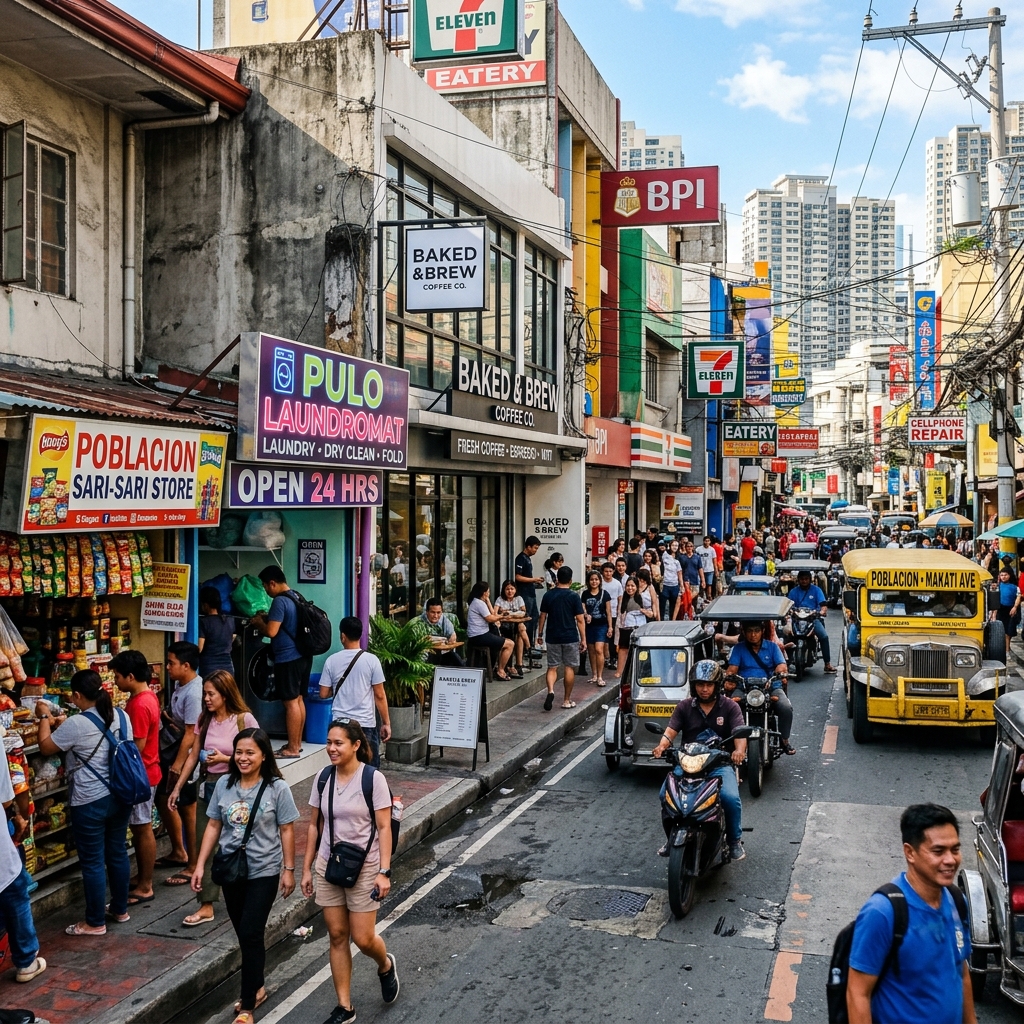
"High foot traffic" is the phrase every commercial agent uses and almost no business owner interrogates. Here is the problem: foot traffic volume is one of the least reliable predictors of revenue on its own. A location can have thousands of people walking past and still starve your business — if those people are the wrong people, walking past at the wrong time, with the wrong intent. Reading foot traffic data properly means looking at three dimensions, not one.
Dimension 1: Volume (the one everyone fixates on)
Raw count matters — you cannot sell to people who are not there. But volume is the starting point, not the answer. A quiet street with the right customers can out-earn a crowded one with the wrong ones. Treat volume as a filter (is there enough traffic?) rather than a verdict.
Dimension 2: Timing
When the traffic peaks must align with when your business makes money. A breakfast-and-lunch cafe on a street that only fills up at 6 p.m. as commuters head home is mismatched, no matter how impressive the evening crowd looks. Map the hourly and day-of-week rhythm of pedestrian flow against your own revenue hours. A perfect demographic at the wrong hour is worthless.
lightbulbVisit at your peak hour, not theirs
Owners often scout a site on a weekend afternoon and see a crowd. Visit during your intended trading hours on a normal weekday. The difference is frequently shocking — and decisive.
Dimension 3: Intent & dwell
This is the dimension that separates amateurs from operators. A pedestrian striding toward a train platform is in transit mode — head down, time-pressured, not browsing. Someone strolling a retail strip is in discovery mode and open to an impulse stop. The same headcount produces completely different conversion depending on intent. Transit corridors flatter the volume number while quietly under-delivering on sales, which is why secondary streets near major hubs are so often overpriced relative to what they actually return.
Why this matters for expansion specifically
When you expand, you are tempted to trust the same instincts that worked at your first site. But your first location's traffic profile is unique to it. A new catchment can have identical volume and a completely different intent mix. Long-running U.S. Bureau of Labor Statistics data shows roughly one in five new businesses fails within a year, and mismatched location-to-model fit is a recurring culprit. Reading all three traffic dimensions for each new site — rather than assuming your concept will replicate — is how you avoid joining that statistic.
From observation to data
Standing on a corner with a clicker counts volume but tells you nothing about intent or representative timing. Modern location intelligence infers movement patterns from mobility and mapping data, so you can assess timing and traffic friction for a site without spending three weeks doing manual counts at the wrong hours.
See traffic friction at a glance
PrimePin's interactive map scan analyzes traffic friction and accessibility around your exact pin and factors it directly into your opportunity score — so a deceptively "busy" street with poor stopping intent does not fool your expansion decision.
Stop guessing at foot traffic.
Scan any address and see how its traffic and accessibility score for your business. Start free — no credit card required.
Run a Free Location Scan